
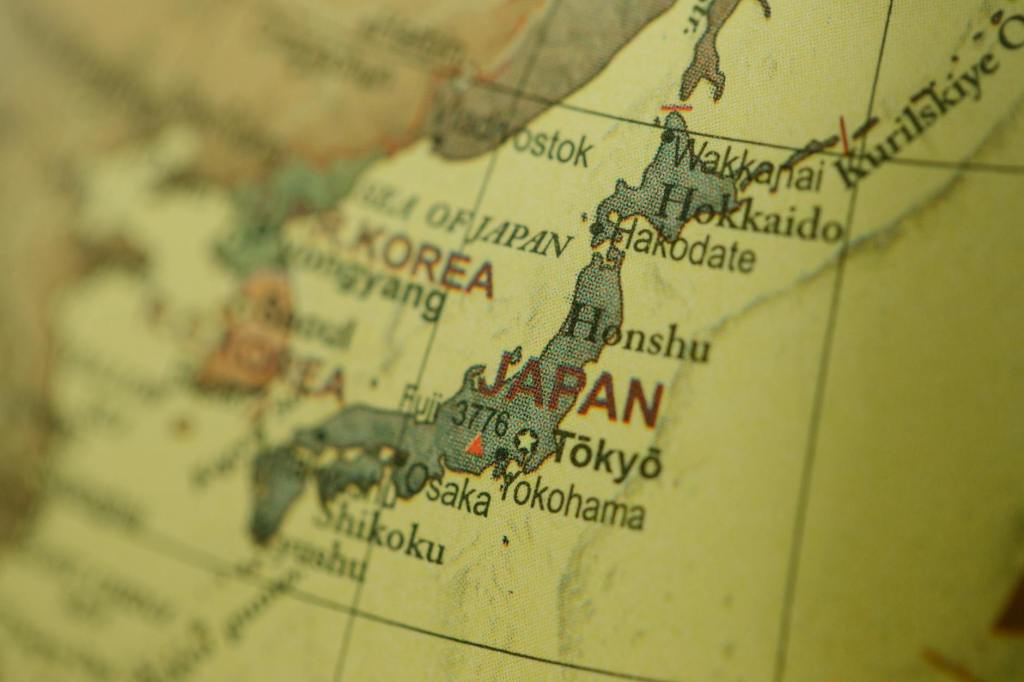
There’s something magical about Japan – its ability to blend precision with spontaneity, tradition with neon-lit chaos. We began leg two of our 2 week journey by flying out of the Philippines and into Japan. (If you haven’t read about our Philippine leg, it’s in the blog post just before this one.)
The transition between countries in a single day was in the best way strange, going from the sticky-hot tropical weather of the Philippines, to the icy breath of Japan’s snowy winter.
This was my sixth time visiting Japan, and it never gets old. There’s an addictive rhythm to it. Each visit peels back another layer, revealing something new while deepening my appreciation for what’s always been there.
So, where do I begin? Well, we were always constantly moving, that’s for sure.
When we landed at Narita Airport, we hopped onto the Narita Express, bound for the chaotic Shinjuku Station. From there, we made our way to Hotel Century Southern Tower. By then, my back was screaming and my heel spurs were flaring so I sank into a hot, soothing bath to melt away the travel fatigue.
The next morning, we woke up to this pretty view of the Shinjuku skyline.
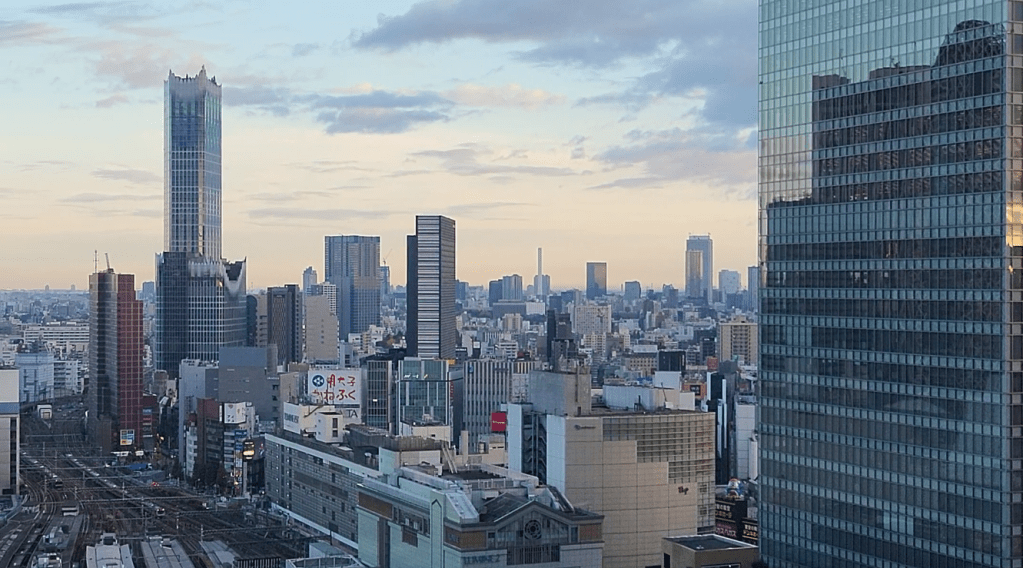
Our entire day was spent exploring Shinjuku wandering through its streets, dipping into some quirky and sleek shops, and treating ourselves to city grinds before checking back into the hotel to get some rest before moving out of the city the next day.
Onward Bound Nagano Prefecture
The next morning, we boarded the train toward our next city, Nagano, to visit the ever so handsomely majestic, fave castle #2, Matsumoto Castle.
En route, the train ride was calm and quiet s usual, AND we also encountered a few characters along the way.


Matsumoto Castle
Matsumoto Castle is one of Japan’s oldest and in my opinion, the second-most beautiful original castles in Japan (Himeji is first in my opinion). Built in 1594, it’s known for its striking black exterior (aka “Crow Castle”) and its rare structure of five external stories with six internal floors. It’s designated a National Treasure, preserving centuries of samurai history and architectural elegance.

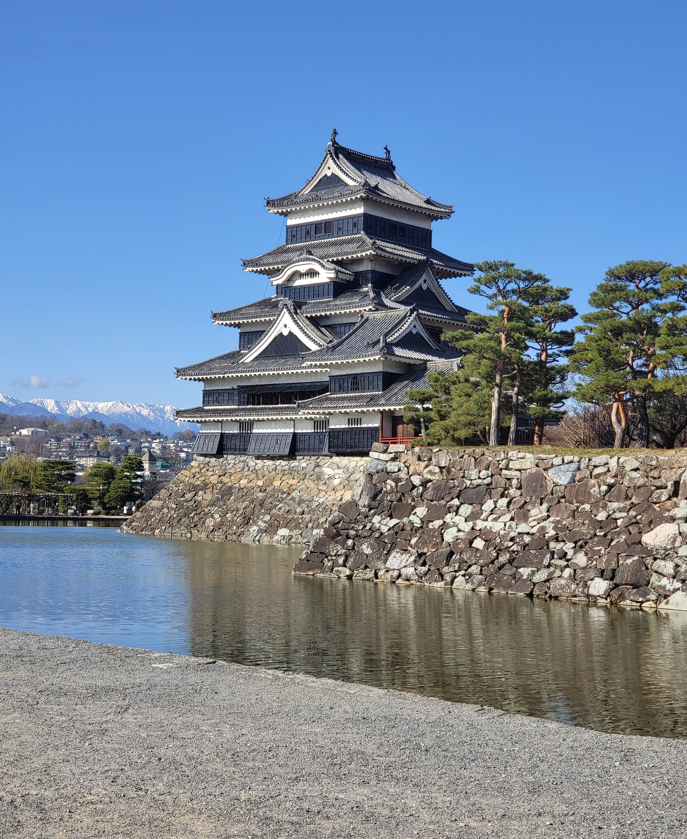


Between Matsumoto and Himeji, Himeji Castle stands as my absolute favorite, with Matsumoto Castle coming in second. Despite their contrasting styles, their yin and yang qualities create a harmonious balance that, to me, feels perfectly balanced as #1 and #2, kinda like Thing1 and Thing2.
After exploring the castle grounds and its interior, we strolled through the surrounding area before boarding the train to the hotel.
The views throughout Nagano were nothing short of breathtaking. Every few meters revealed a new picturesque scene, as if the landscape had been meticulously crafted by master artisans.
Yohashira Jinja Shrine
Yohashira Jinja Shrine, just a wall away from the castle, this shrine was established in 1874 and is dedicated to four Shinto deities.
Like all shrines in Japan, it offers a peaceful atmosphere is a power spot for wish fulfillment.


Metoba River
Just seconds away from the shrine, Metoba River flows through central Matsumoto. It’s a charming part of the city’s landscape, often lined with seasonal trees and retro storefronts. It is historically known for its clear waters that once hosted Kajika frogs.

The Matsumoto Timepiece Museum
The Matsumoto Timepiece Museum features a striking facade with a large Roman numeral clock and a vertical glass panel resembling a torch, symbolizing the passage of time. The museum showcases a wide collection of antique clocks and timekeeping devices, reflecting both Japanese and Western craftsmanship.

Northward Bound: Hokkaido
Very early the next morning, we boarded a bullet train heading north to Hokkaido—Japan’s most tranquil and breathtaking region, in my opinion. Our train glided past the early morning sleepy towns and misty fields and we were able to catch a glimpse of the breathtaking sunrise. After about four hours, we arrived at Shin-Hakodate-Hokuto Station, picked up our rental car from Nippon Rent-A-Car, and began the scenic drive to Noboribetsu, our next destination.
As tired as I was at that time, the journey itself felt like a gentle transition—from the gentle buzz of Nagano’s city life to the very serene rhythm of Hokkaido’s countryside. I could not wait to check i to our next hotel.


Dai-ichi Takimotokan Hotel
We arrived finakky at Takimotokan hotel after 1.5 hours of driving from Hakodate.
Takimotokan Hotel in Noboribetsu is a storied onsen resort founded by Kinzo Takimoto to harness the healing powers of the region’s hot springs. It offers 35 different baths sourced from five distinct mineral springs—an experience rarely found in one location. With traditional Japanese hospitality, spacious rooms, and 24-hour access to its baths, Takimotokan blends heritage, comfort, and nature in a way that’s both restorative and unforgettable.
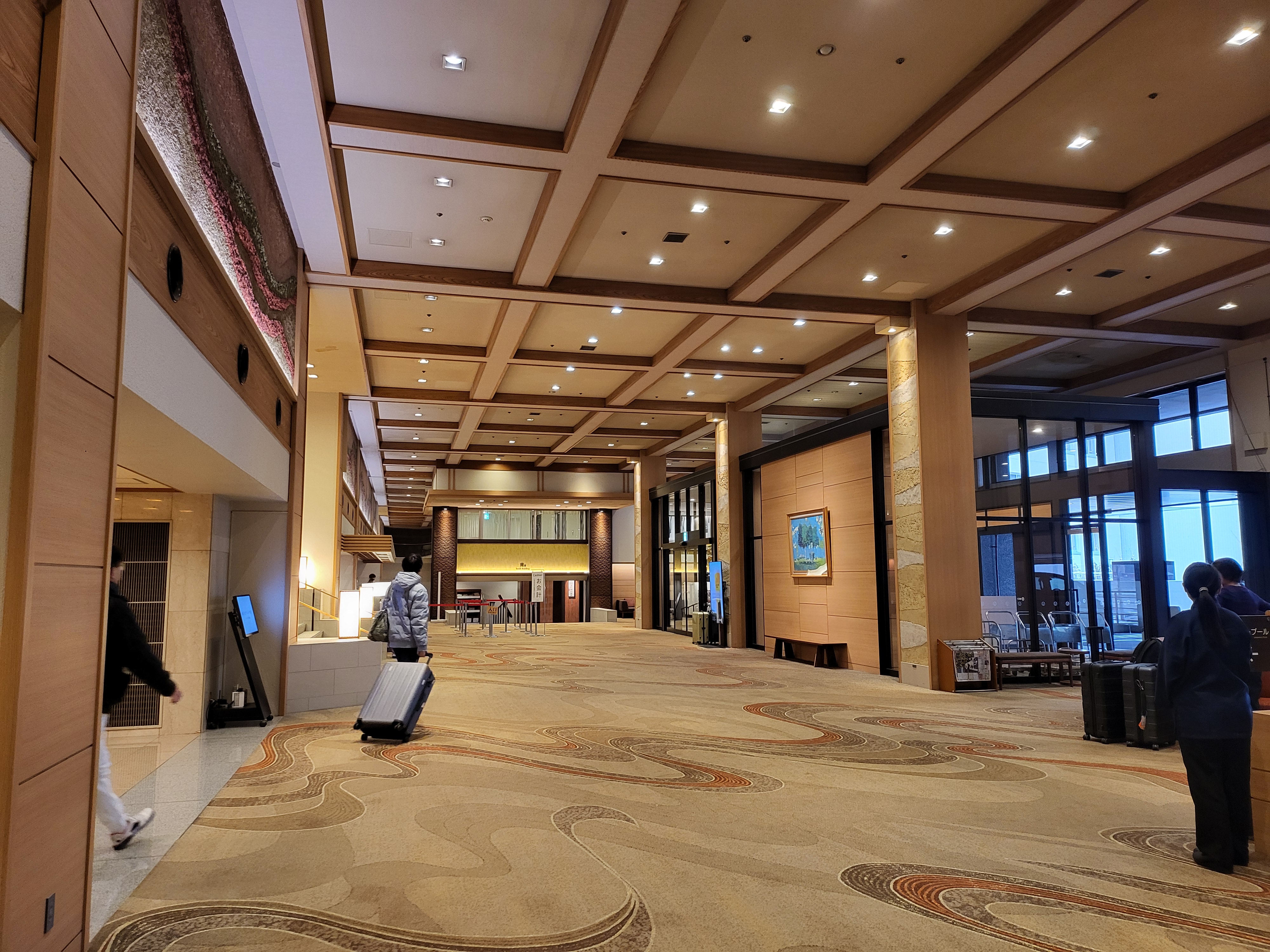

We were able to rest a little before heading out later that evening to meet up with some friends in Horobetsu.
Road Trip: Noboribetsu to Sapporo
The next morning, we drove about an hour and a half to Sapporo.
But…On our way out of the Dai-Ichi Takimotokan hotel, we were met with the statues of Jigoku Musume “Hell Girl” and Kanawa Jigoku (name of the club next to it). These statues are located in Sengen Park just steps from the hotel, with the Jigokudani Geyser steaming dramatically behind them. The Geyser activates approximately every three hours, releasing a dramatic burst of steam and hot water into the air.
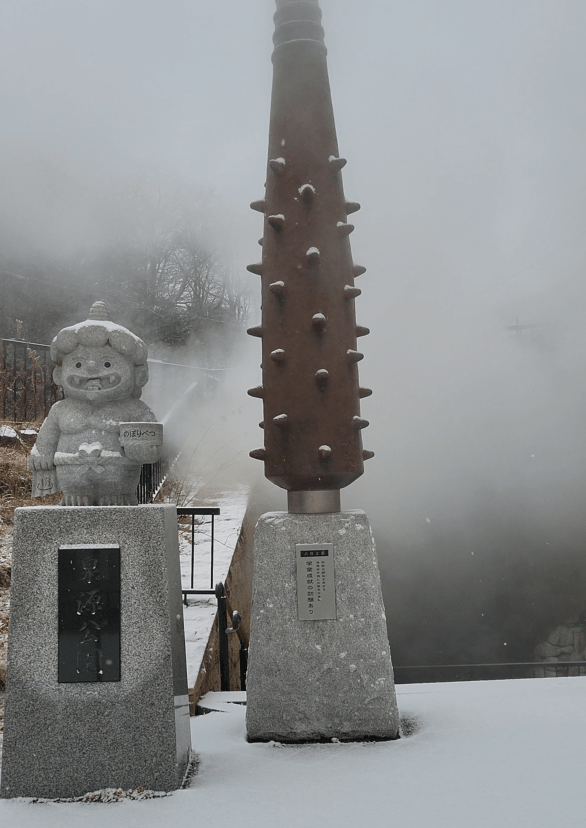
There are a total of eight club statues that are visible in the park that are arranged in a cricle. Each club is color-coded and tied to a specific blessing:
- 🔴 Red: Good health
- 🔵 Blue: Prosperity
- ⚫ Black: Business success
- 🟤 Brown: Academic achievement
- 🟢 Green: Financial luck
- 🟣 Purple: Fame
- 🟡 Yellow: Love
- ⚪ White: Family happiness
There is a ninth club, known as the Ōkanabō (Great Demon Club), that is said to be buried beneath the park. A huge golden replica that rises from the lower level of Dai-ichi Takimotokan’s main building, symbolizing the power and persistence to fulfill one’s dreams.
Sapporo!
We left Noboribetsu that morning to continue our road trip toward Sapporo. The transition, once again, from serene countryside to the city life, was…I don’t really have the words to explain it. Maybe bipolar but beautiful, LOL


Susukino
Susukino is Japan’s second most popular red-light district—though I’m sure you can guess what’s #1: Kabukicho. Located in Shinjuku, Kabukicho is Japan’s largest and most intense nightlife zone, infamous for its neon chaos and host clubs—despite a strong police presence. Susukino, nestled in Sapporo, is smaller, more relaxed, and generally safer. It blends nightlife with local charm and sees fewer scams or aggressive touts. Both districts are lively, but Kabukicho seems to lean more on the darker side, while Susukino on the other hand, feels more approachable and easier on the nervous system.


Makomanai Takino Cemetery
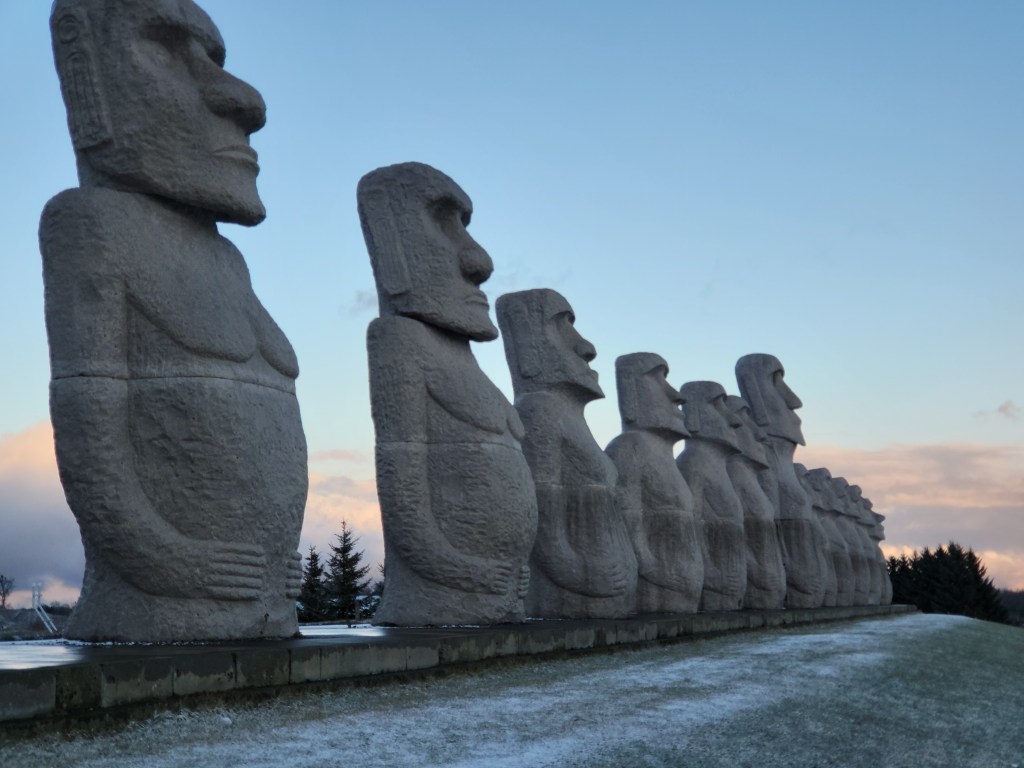
Giant Moai Statues
The Moai statues are located at Makomanai Takino Cemetery in the Minami Ward of Sapporo about a 40 minute drive from Susukino. This sprawling cemetery is an active burial site and one of Japan’s largest and most visually striking. These statues are replicas and are modeled after the iconic Easter Island statues—symbolize hope, permanence, and spiritual guardianship. They greet visitors at the cemetery’s entrance, forming a dramatic procession that seemed to evoke a semse pf mystery and calmness.
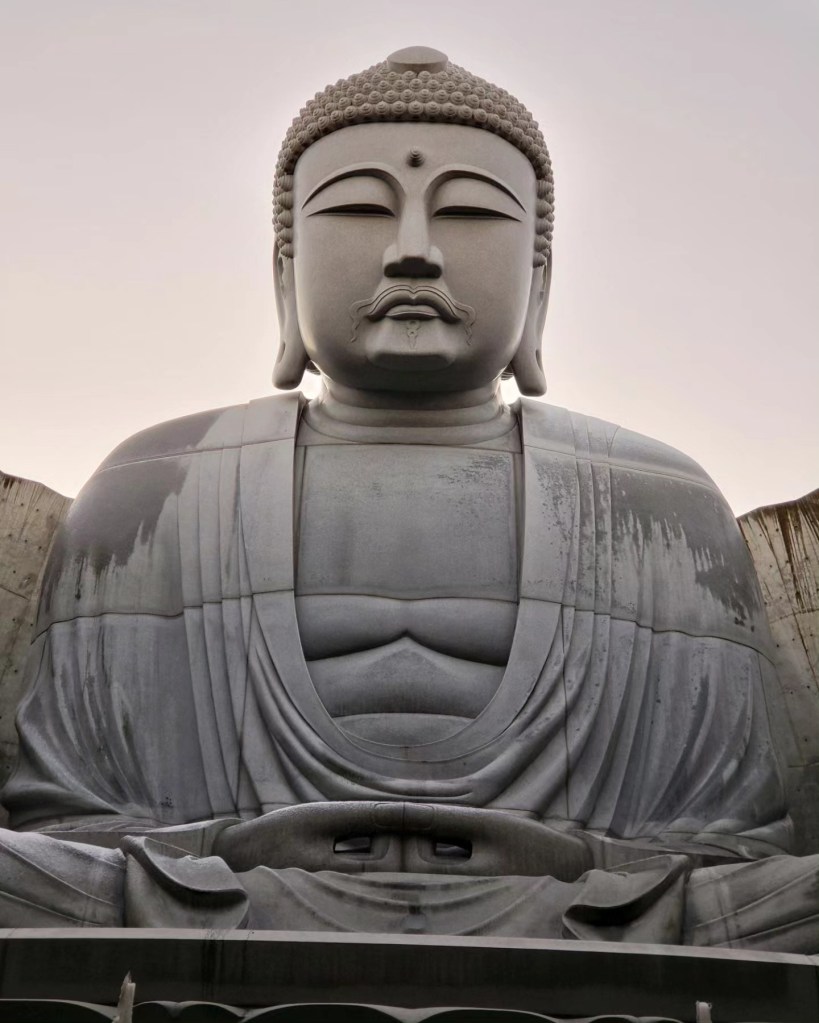
The Hill of the Buddah
The “Great Buddha Head.” Designed by renowned architect Tadao Ando, the statue is partially buried beneath a lavender-covered mound, so only the head is visible when you’re approaching the cemetery by car. Visitors an approach the statue by accessing the cemetery and walking through a 40-meter tunnel, emerging into a circular, open-air sanctuary where this full 13.5-meter Buddha is revealed.
Nightfall soon approached and as soon as we knew it, we were driving to the hotel we booked, the Airport Hotel (CTS Terminal Hotel), which sent us off on a flight back to Shinjuku the next morning.
Back in Shinjuku
Next Stop: Suga Shrine
The next morning, my son and I set out to our final destination for this trip, Suga Shrine.
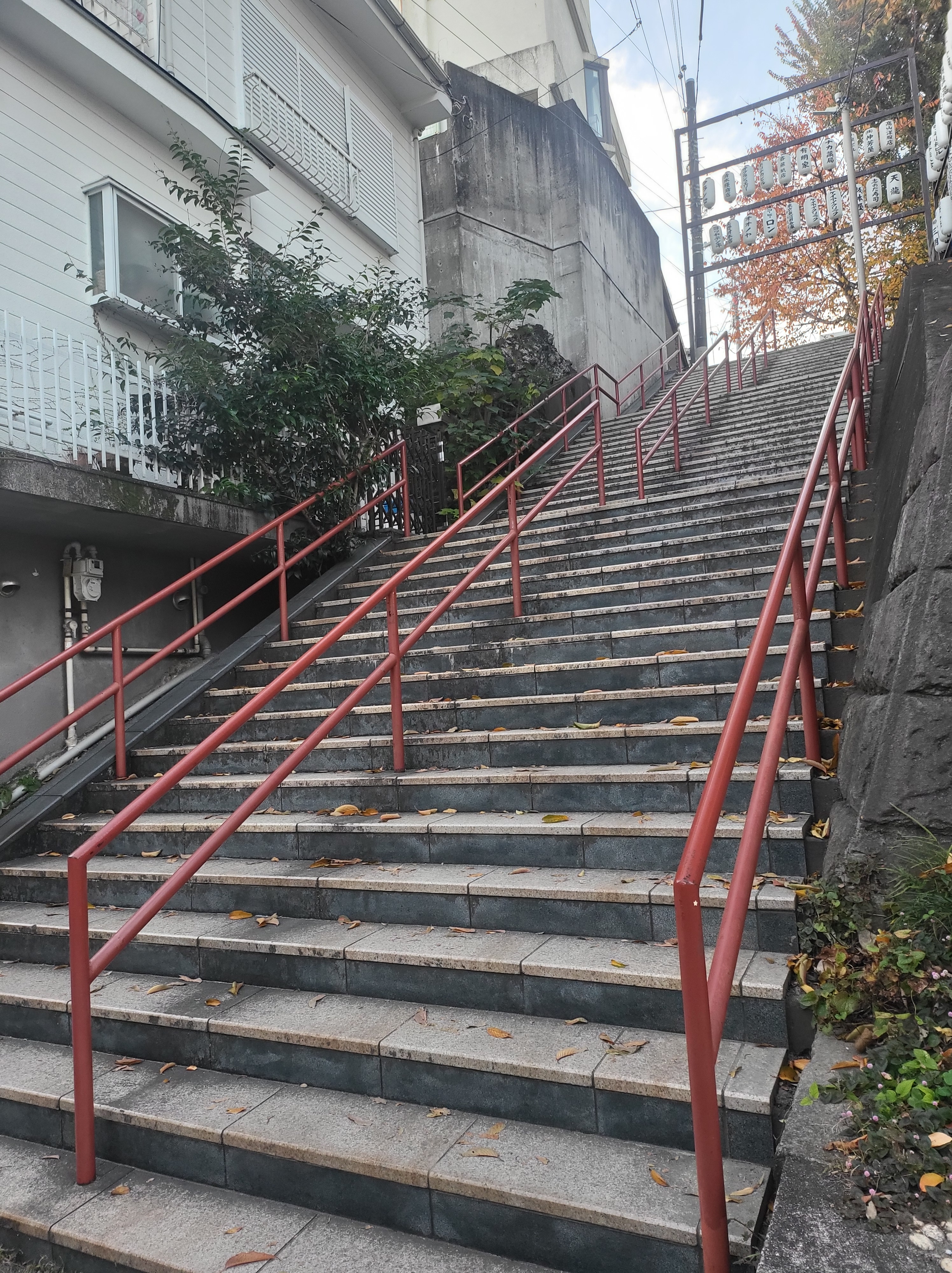
This Shrine is tucked away in the Yotsuya neighborhood of Tokyo, is a peaceful Shinto shrine that gained international attention after being featured in the final scene of the beloved anime film, “Your Name”. The iconic red-handrail staircase leading up to the shrine became a pilgrimage spot for fans.
Despite its fame, Suga Shrine remains a quiet, local sanctuary, especially in the early morning when the streets are calm and the air feels fresh. It’s perfect for a leisurely stroll, offering a gentle escape from Tokyo’s bustle. The shrine itself dates back to the Edo period and is known for its protective deities and traditional purification rituals. Its charm lies in the blend of cultural heritage and cinematic nostalgia, making it a meaningful stop for both anime fans and travelers seeking a tranquil, authentic Tokyo experience.



And Last But Not Least.. I could not resist adding these viral things to my blog.
Famichiki and Tamagosando
Famichiki is FamilyMart’s golden gift to fried chicken lovers like me. Juicy, boneless, and perfectly seasoned, it’s served hot from the counter in a paper sleeve so you can eat it on the go. The batter is crispy but light, and the chicken inside is tender enough to make you question every convenience store fried chicken back home.
The tamagosando is deceptively simple. A pillowy shokupan (milk bread) with the crusts cut off, filled with a creamy, whipped egg salad that’s rich in yolk flavor and is silky smooth. It’s a staple across 7-Eleven, Lawson, and FamilyMart, and yes, even Anthony Bourdain called it “inexplicably delicious.” The secret lies in the texture: Japanese mayo, soft-boiled eggs, and that impossibly fluffy bread that I find only in asian food/grocery stores. Recreating it at home is tough because the ingredients (especially the bread and mayo) are hard to replicate outside Japan.


Well folks, that wraps up my 7-day Japan experience and as always, it was nothing short of amazing. From konbini cravings to quiet shrine strolls, each moment added another layer to my love for this country. In just two months, I’ll be back in Japan for my next adventure, where I plan to visit original castle #3 [To be Determined] on my quest to see all 12 original Japanese castles still standing today.
- Original Castle #1: Himeji [Accomplished 12/2023],
- Original Castle #2: Matsumoto [Accomplished 12/2024]
Until next time…
Martine



 The Bliss Complex
Leave a comment