

Disclaimer: Please be advised that this blog may feature affiliate links, whereby the act of clicking on product links and subsequently making a purchase could result in the site owner earning a nominal commission.
As I’m getting older, I’ve begun to reflect more on my health and the way I’ve been living. Recently, I’ve come to realize that I haven’t always made the best choices when it comes to my diet. Working in healthcare, I’ve witnessed firsthand the health struggles that patients face, and I’ve seen family members endure health issues that could have been prevented with better habits. It’s often easy to put off taking care of ourselves, thinking there’s always time later. But considering my age, seeing my recent lab results and considering how much I’ve observed in both my professional and personal life, I realized it was time to take a hard look at my own health. This introspection led me to Dr. Shigeaki Hinohara—a physician who not only lived and worked to 105, but also led a life that was full of purpose, wisdom, and practical health habits that contributed to his longevity. Inspired by his principles, I felt compelled to write this post, not just as a reminder to myself, but to others who may be at a similar crossroads. Dr. Hinohara’s teachings have motivated me to take action.
It’s important to remember that everyone’s health journey is unique, so one should always consult with their physician before making any significant changes to their lifestyle or diet.
Who is Dr. Shigeaki Hinohara?
“The key to living a long life is to continue being curious, to keep learning, and to maintain a positive outlook. Life should be lived with enthusiasm and a sense of purpose.” – Shigeaki Hinohara
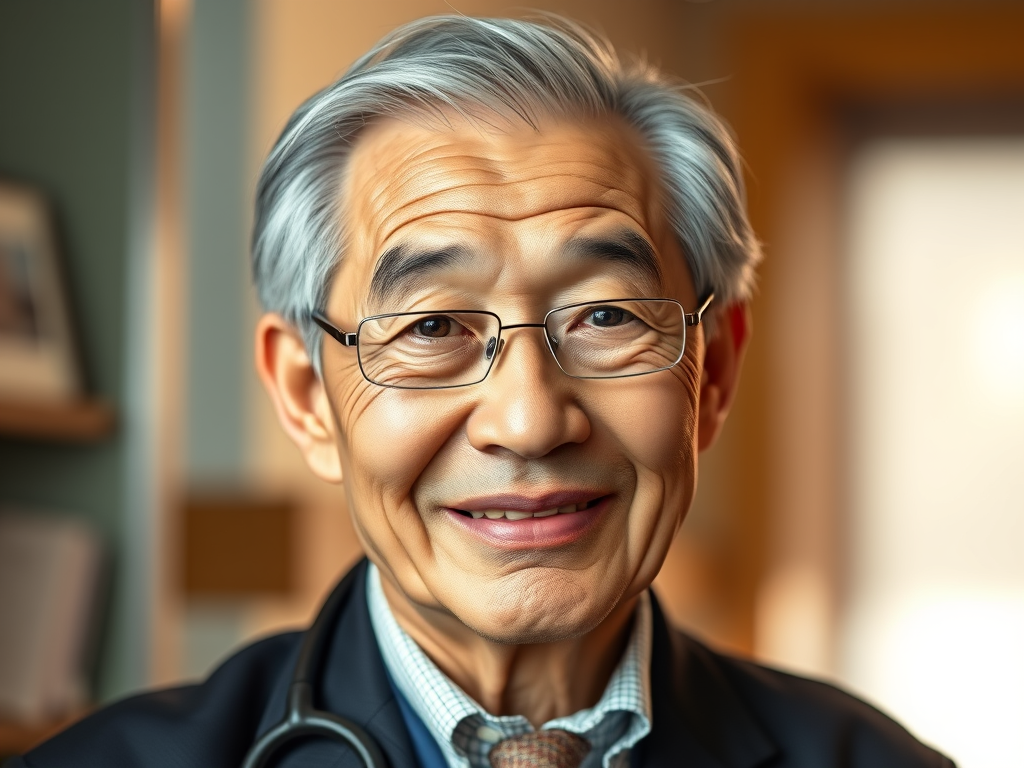
Dr. Shigeaki Hinohara, a celebrated Japanese physician and longevity expert, lived a remarkable life marked by wisdom, resilience, and a profound dedication to his work. Born in 1911 in Yokohama, Japan, Dr. Hinohara was not just a medical professional but a passionate advocate for healthy living, a teacher, and a source of inspiration for countless people. Dr. Hinohara’s life spanned over a century, and he continued working as a physician well into his 100s, passing away in 2017 at the age of 105. Despite his age, he remained mentally sharp and physically active, which he attributed to a balanced lifestyle, a sense of purpose, and healthy habits, including his diet and mindset. His long life wasn’t merely a stroke of good luck; it was the result of a deeply thoughtful approach to health, well-being, and life itself.
Reference Wiki: https://en.wikipedia.org/wiki/Shigeaki_Hinohara
Inspired by Dr. Hinohara’s philosophy, I aim to live a long, satisfying life, ideally between 90-100 years old. While I’m not a physician, I focus on staying active, embracing a positive mindset, and finding purpose in everything I do.
The Words He Lived By
Throughout his extraordinary career, Dr. Shigeaki Hinohara emphasized that longevity isn’t just about physical health—it’s about living with purpose and clarity of mind. Below are some of the most important values that guided Dr. Hinohara’s life and contributed to his remarkable longevity:
- Live with a sense of purpose – Dr. Hinohara believed that a life with purpose was the foundation of a long, fulfilling existence. He devoted his life to medicine, working as a physician and mentor for many decades. Even after reaching his 100s, he remained active, continuing to teach, write, and offer guidance to younger generations. His sense of purpose kept him mentally sharp and physically vibrant, even as his peers retired long before.
- Work hard, but never overwork yourself – Dr. Hinohara worked as a physician at St. Luke’s International Hospital in Tokyo for more than 70 years. However, he always emphasized the importance of balancing hard work with rest. His philosophy was that consistent, meaningful work should be done with care and passion, but without pushing oneself to exhaustion.
- Stay curious and keep learning – Until his last years, Dr. Hinohara was constantly learning. He was not only a physician but also a teacher, spreading his wisdom far beyond his hospital. He encouraged people to keep their minds active and engaged, saying that curiosity, learning, and creativity were key to aging well.
- Focus on doing good for others, and the rest will follow – One of his key teachings was the importance of service to others. He believed that contributing to society—whether through medicine or acts of kindness—was vital for happiness and longevity. Dr. Hinohara’s enduring health and energy stemmed in part from his relentless focus on helping others.
These guiding principles weren’t just abstract ideas—they were rooted in Dr. Hinohara’s daily life. His practices, both mental and physical, were based on these values, and they allowed him to live a vibrant life far beyond the average life expectancy.

So, what is my purpose in life?
I must say that finding my purpose wasn’t easy—it took many historical reflections on the trials, errors, and the hard-earned lessons of my life, most cringeworthy, but it’s gotten me knowing what my purpose is today. My purpose is rooted in helping others grow through uncertainty and change. By drawing from the challenges I’ve overcome (my multiple dead-ends), the knowledge I’ve acquired, and the support I’ve given to those around me—both professionally and personally—I’ve come to understand that my role is to guide, empower, and simplify the path for others, so they can succeed on their own.
Recently, one of my children came to me expressing that he felt stuck— balancing school and work, compounded by unexpected issues like his car breaking down. I encouraged him not to view the roadblock as the end, but as something that can be moved to create new paths forward. I provided some options and said that the path ahead isn’t always easy, but with persistence, he’ll find his way. I sensed there was more behind the roadblock than he shared, but at this stage in life, I believe in giving guidance that balances support and love. While I’m always here to help, I feel that they need to experience some of life’s challenges firsthand. The decisions and changes they make now will shape who they become, and learning through experience is often the most impactful teacher. Sometimes, they need to learn the hard way to know what I mean.
The Diet That Fueled a Long Life
Dr. Hinohara’s approach to food seemed to be formed by a mix of traditional Japanese wisdom and modern nutrition. He maintained that his diet played a critical role in longevity, but he also emphasized that the mindset surrounding food—moderation, balance, and mindfulness—was just as important.
What Dr. Hinohara Typically Ate
Dr. Hinohara had a balanced and simple approach to food, prioritizing nutritional value and mindful eating. Here are some of the things that he ate on a typical day:
- Breakfast: A small bowl of miso soup (rich in probiotics), tofu, and seaweed. Dr. Hinohara typically drank green tea along with his meal to start the day with an antioxidant boost and on some mornings, he would have milk, orange juice with olive oil, and coffee.
- Lunch: Dr. Hinohara often enjoyed rice, a small portion of fish (usually mackerel, salmon, or sardines), and vegetables. Fish was a key part of his diet for its omega-3 fatty acids. Dr. Hinohara enjoyed ochazuke regularly.
- Dinner: Dinner consisted of fish (mackerel, salmon, or sardines) along with a bowl of rice (or okinawan sweet potatoes to replace the main starch) and plenty of vegetables. He would also enjoy a light soup or a simple salad. The key to his diet was moderation—he never ate excessively.
- Drinks: Dr. Hinohara drank green tea regularly throughout the day for its many health benefits, including its ability to reduce oxidative stress and lower the risk of heart disease.
Eating Until 80% Full (Hara Hachi Bu, 腹八分目 )
A key principle in both Japanese and Okinawan culture, Hara Hachi Bu—eating until you are 80% full—was a practice Dr. Hinohara followed religiously. This practice encourages mindful eating and helps with weight management and digestion by focusing on satisfaction rather than overeating. It also fosters a healthier relationship with food and can contribute to longevity.
Practicing Hara Hachi Bu (eating until you’re 80% full) is a simple yet effective method that encourages mindful eating, promotes healthier digestion, and helps with weight management. So, how do we incorporate such a practice into our daily lives?
- Eat Slowly and Mindfully —Take your time when eating. Chew thoroughly and savor each bite. This gives your body the time it needs to signal when you’re starting to feel full.
- Focus on your food— When you begin ‘hara hachi bu’ avoiding distractions like watching TV, scrolling on your phone, or working while you eat, will help you to be more in-tune with your body during mealtimes.
- Listen to Your Body – Pay attention to how you feel during the meal. Start by eating at a comfortable pace, and then, before you finish the meal, pause for a moment and assess how full you feel. Hara Hachi Bu encourages stopping eating when you’re about 80% full—not stuffed or uncomfortable, but just enough to feel satisfied without overloading your stomach. “Am I still hungry, or am I good?” If you’re still hungry after this, you can always eat more later.
- Use Smaller Plates and Bowls – Studies suggest that the size of your plate influences how much you eat. By using smaller plates and bowls, you can trick your brain into thinking you’re eating more, even if you’re eating less. I bought mine from a Daiso near me but if you do not have a Daiso in your area, Amazon sells the exact appetizer (sushi) plates and the bowls that I use.
- Don’t Rush Your Meals – Avoid eating too quickly. Eating slowly allows your body time to recognize fullness cues. It typically takes about 20 minutes for your brain to receive signals that you’re full, so try to pace yourself during meals. Take small breaks between bites to give yourself time to feel how full you’re getting. Yes, this was a habit that was hard for me to break but once I started paying more attention to my body during mealtimes, I started to recognize the cues and it’s gotten easier.
- Pay Attention to Hunger Cues – Recognize the difference between physical hunger and emotional eating. Hara Hachi Bu is based on eating in response to physical hunger, not out of boredom or stress. Check in with your body to see if you’re actually still hungry or if you’re just eating because it’s time to eat, or because of emotional triggers, or because there is still food on your plate.
- Integrate More Plant-Based Foods – My nutritionist once told me, “eat more foods that are closest to the earth”. Include a variety of vegetables, legumes, whole grains, and fruit in your meals. These foods are naturally lower in calories but higher in nutrients and fiber, which makes them more filling without causing you to overeat.
- Stop Eating Before You Feel Full – The key is to leave a little bit of space in your stomach. If you wait until you’re completely full, you’ve likely already eaten too much. Try to stop eating while you’re still slightly hungry.
- Enjoy Balanced Meals – Eat balanced meals that include a combination of protein, healthy fats, and carbohydrates. This balance helps keep you satisfied longer, making it easier to stop when you’re about 80% full. Include foods like fish, lean proteins, whole grains, vegetables, and fruits, which will give you a variety of nutrients.
I’m going to admit that I wasn’t one to easily adapt to hara hachi bu. My family often ate quickly at mealtimes and were always told to eat everything that we put on our plates (so as not to waste the food that we took). We also didn’t really talk at the dinner table so the food was always our focus — I mean, what else was there to do if not hold a loud and noisy conversation? We ate quickly so that we could go off to do whatever we wanted to do 😁.
What worked for me was using dessert plates and small bowls to help control portions, along with having some distraction at the table—like watching YouTube shorts, reading articles, or even writing this blog 😊. With small adjustments, I’ve started to make some progress. I still have a ways to go until hara hachi bu becomes second nature, but as the saying goes, small steps often lead to the most meaningful outcomes. By gradually shifting our eating habits, we begin to strengthen our relationship with food, as well as with our mind and body. Hara hachi bu isn’t about restriction or deprivation—it’s about enjoying food in moderation and being mindful of what and how much your body truly needs.
Recipes for Health
Here are a couple of super easy but filling recipes that I’ve incorporated into my daily diet since starting the hara hachi bu practice. Starting with a dish that Dr. Shigeaki Hinohara was known to have enjoyed regularly . . .
Green Tea Mackerel Ochazuke お茶漬け
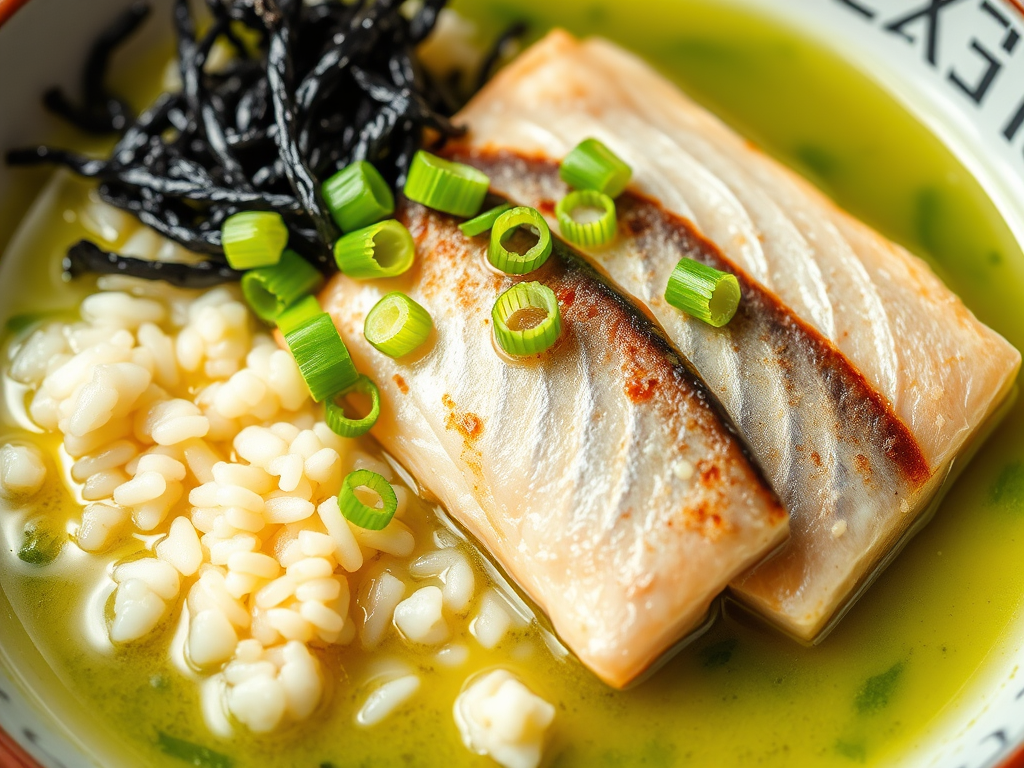
Green tea ochazuke (お茶漬け) is a traditional Japanese comfort dish made by pouring green tea over a bowl of steamed rice, typically topped with ingredients like grilled fish, vegetables, seaweed, and green onions.
The word ochazuke literally means “tea-soaked” (from ocha = green tea, and zuke = to soak), and green tea is the classic liquid used—although I think it’s more enjoyable when the dish is amplified in flavor with dashi broth and a splash of soysauce.
Ingredients:
(Single serving)
- 1 small bowl of freshly cooked rice (preferably short-grain or brown rice) – I use Genjimai brown rice since this brown rice has the feel/consistency of white rice.
- 1 small mackerel fillet (grilled or pan-seared). I use the unsalted canned mackerel from Amazon. You can also use salmon (wild) or sardines.
- 1 to 2 teaspoons green tea powder (matcha) or the teabag version.
- 1 cup hot water. I use my Keurig coffeemaker to dispense hot water, but you can boil water in a pot or use a standard kettle.
- 1 to 2 teaspoons Hondashi (instant dashi granules).
- 1 to 2 teaspoons low-sodium soy sauce
- Optional toppings:
- Sesame seeds. I use the roasted type since it’s easier to digest.
- Wakame seaweed (dried). The good thing about wakame is that they instantly expand once you drop them into hot water.
- Chopped green onions
- A small dash of wasabi (for a little heat)
Instructions:
- Prepare the Fish:
- If you’re using the store-bought fresh mackerel, blot the fish to remove excess water and lightly salt both sides of its surface. Grill or sear it for about 3-4 minutes per side, then set aside.
- If you’re using canned mackerel like I do, remove the liquid from the can and set aside.
- Cook the Rice:
- Spoon a serving of freshly cooked rice into a bowl. I usually aim for 1/2C to 2/3C. Use an ice cream scooper to control the rice portion size, it gives you roughly 1/2 (half) a cup.
- Prepare the Green Tea Broth:
- Boil 1 cup of water using a kettle or pot. Once again, I use my Keurig machine for hot water, quick and easy. I also use my mickey machine that my mom bought for me one Christmas when I don’t feel like walking to the kitchen downstairs.
- If using matcha (powder), whisk 1-2 teaspoons of the powder into the hot water until it dissolves. I use a green teabag and let the tea bag steep while my Keurig or Nespresso machine dispenses the water into my cup.
- Add 1 to 2 teaspoons of Hondashi (instant dashi granules) to the green tea. Stir until dissolved. Tip: Start by adding 1 teaspoon and then add another if you want more flavor.
- Add 1 to 2 teaspoons of low-sodium soy sauce. Tip: Start by adding just one teaspoon, then add more to adjust to your liking.
- Assemble the Dish:
- Pour the hot green tea broth over the rice.
- Top with Fish:
- Gently place the mackerel on top of the rice and broth mixture.
- Add Optional Toppings:
- Sprinkle some sesame seeds for a nutty crunch.
- Add some greens like wakame (dried seaweed) for extra nutrients and flavor. I like to use mizuna (japanese mustard greens) or spinach.
- Top with chopped green onions for a fresh, slightly pungent kick.
- For an extra flavor boost, you can add pickled vegetables like umeboshi (pickled plum) or a little dab of wasabi for a spicy finish.
- Serve and Enjoy
You simplify the preparation of the dish and have it ready in just 2-3 minutes by following these steps: Add dashi granules and green tea (tea bag) to a small bowl, pour in hot water, steep/stir to combine. Then, simply add the rice, mackerel fillets, and any additional toppings into the same bowl.
Miso Soup with Tofu and Green Onions
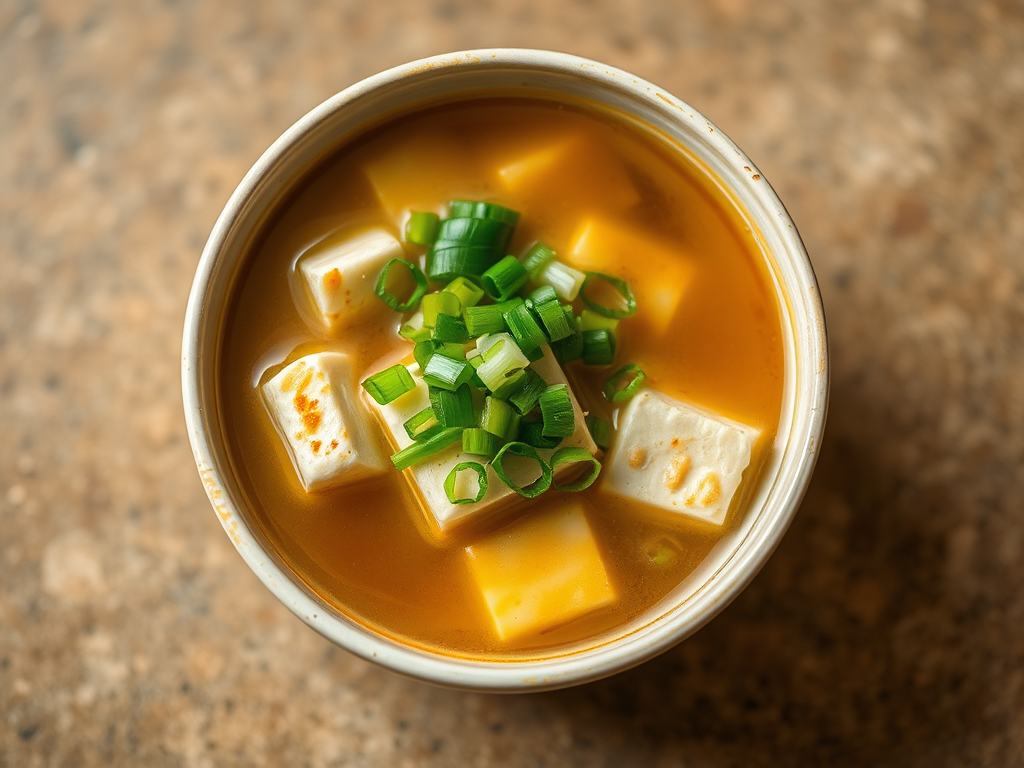
Dr. Hinohara also consumed Miso soup regularly. It is said to be a nutrient-packed, gut-friendly, low-calorie food that offers a variety of health benefits, such as supporting digestion, boosting immunity, providing protein, and promoting heart health. Its combination of fermented miso paste, tofu, and optional seaweed or other additions makes it a well-rounded meal that can be enjoyed regularly for its numerous health-promoting properties.
(Single Serving)
- 1 teaspoon dashi granules.
- 1 tablespoon miso paste (white or red miso, depending on your taste).
- 1 block firm tofu (cut into small cubes)
- 2-3 green onions (thinly sliced)
- Optional: A small handful of wakame seaweed.
- Optional: A splash of soy sauce (to taste)
Instructions:
- Prepare the Dashi:
- Boil 1 cup or small bowl of water using a kettle or pot. Once again, I use my Keurig (or Nespresso) for hot water, quick and easy.
- Stir in 1 teaspoon of dashi granules into the cup/bowl
- Add Miso Paste:
- Scoop out 1 tablespoon of miso paste and dissolve it into the hot dashi broth. Note: The paste could stick to your spoon so tap it a few times on the rim of the cup/bowl to get it moving. Also do not add to boiling water as it can strip the miso paste of its nutrients.
- Add Tofu and Wakame:
- Gently add the tofu cubes to the soup. If you’re using dried wakame, add about a tablespoon. Wakame will expand in the soup so be cautious with how much you add as it could overpower the entire dish. I’ve made that mistake many times in the past.
- Add Green Onions:
- Add the sliced green onions to the soup.
- Optional Flavoring:
- For an extra depth of flavor, you can add a splash of soy sauce or a few drops of sesame oil, depending on your preference.
- Consume: Once the tofu is warm and the soup is well combined, Enjoy!
Tips:
- You can skip some of the steps and ingredients in the recipe above by buying Instant Miso Soup single serving packs.
- Miso soup can also be enjoyed on its own without the additional add-ins (tofu, green onion, etc). Just add combine the miso paste with the dashi granules and add it to hot water, then enjoy!
Conclusion: Health is Wealth
The lessons Dr. Hinohara imparted to the world are simple but profound. His message was clear: That health isn’t just about the body, it’s about the mind and soul. He’s said that if you want to live a long and fulfilling life, it’s essential to cultivate a sense of purpose, remain curious, and take care of your body. Dr. Hinohara’s 105 years of life prove that there’s no single magic bullet for longevity, but by incorporating small, thoughtful changes to your diet, your daily habits, and your mindset, it may be possible to dramatically improve your health and quality of life. If you’re at a turning point like I am, now’s the perfect time to take action and prioritize your well-being. Your future self will thank you.
![Travel Bliss: Japan [Leg 2 of 2]](https://theblisscomplex.com/wp-content/uploads/2025/10/pexels-photo-8828614.jpeg?w=1024)

 The Bliss Complex
Leave a comment