
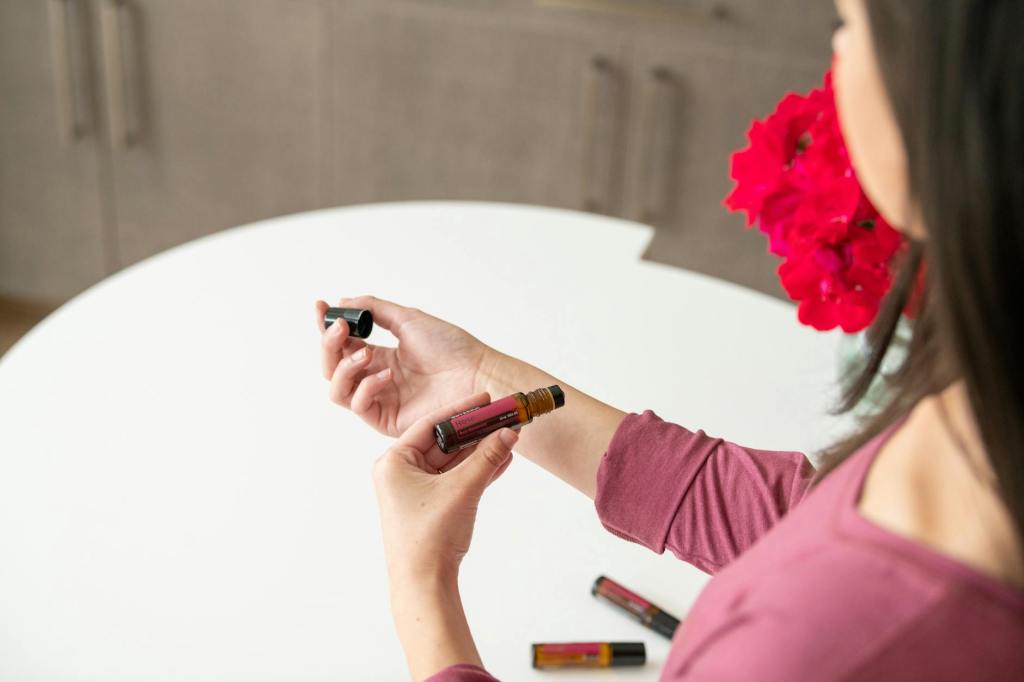
Performing a patch test is an important step to take before using a new product, especially skincare or haircare items, to check for any adverse reactions. Here is a general guide on how to conduct a product patch test:

1 Choose a small area of your skin: Pick a small, inconspicuous area of your skin to test the product. The inside of your wrist or elbow is a commonly used spot.
2 Clean the area: Wash the chosen area with a gentle cleanser and pat it dry with a clean towel. Ensure the area is completely dry before proceeding.
3 Apply a small amount of the new product: Take a small amount of the product you want to test, using a spatula or hygienic applicator preferably, and apply it to the patch test area. Use only a pea-sized amount or less.
4 Observe and wait: Let the product sit on your skin for the recommended time mentioned on the product label, if any. Typically, this is around 24 to 48 hours, but some products may require less or more time. If there is nothing on the label, let it sit for at least a few hours while you’re doing your normal day to day routine but during this period, try to avoid washing the test area or applying any other products to it. Also, it is important to note that some reactions may only develop when exposed to sunlight, this is called photosensitivity. When patch-testing try to be indoors and outdoors to see if a reaction develops.
4 Check for any sign of a reaction: After the designated time, carefully examine the patch test area. Look for any signs of irritation, such as redness, itching, swelling, or a rash. If you experience any discomfort or notice any reactions, immediately wash the area with water and discontinue use of the product.
5 Continue to wait and observe: Sometimes, reactions may not appear immediately, including after you have washed the product off from your skin. If at first you do not notice any adverse reactions, continue to monitor the patch test area over the next few days for any delayed reactions.
6 Interpret the results: If you experience no adverse reactions during the patch test period, it’s likely safe to use the product as directed. However, if you do notice any irritation or other negative effects, avoid using the product on your skin immediately and consult with a dermatologist or professional for advice.
7 Repeat if necessary: If you’re testing multiple products, repeat the patch test process for each one separately. This helps you identify which specific product may be causing a reaction, if any, occur.
I hope you found this guide helpful. By following these steps, you can minimize the risk of having a bad skin reaction. It is exciting to buy and try on new products and it takes just minutes to slather it on, but be aware that if you do develop an adverse skin reaction to one or more, it will take days (or maybe even weeks) to recover from the more serious types of reactions that skincare product allergens could trigger so remember that prevention is always key!
Prioritize your skin’s health and safety by always patch testing new products and consulting with a dermatologist if you have any other skincare concerns or have developed a reaction to a product.
Here’s to healthy, happy skin!

![Travel Bliss: Japan [Leg 2 of 2]](https://theblisscomplex.com/wp-content/uploads/2025/10/pexels-photo-8828614.jpeg?w=1024)


 The Bliss Complex
Leave a comment